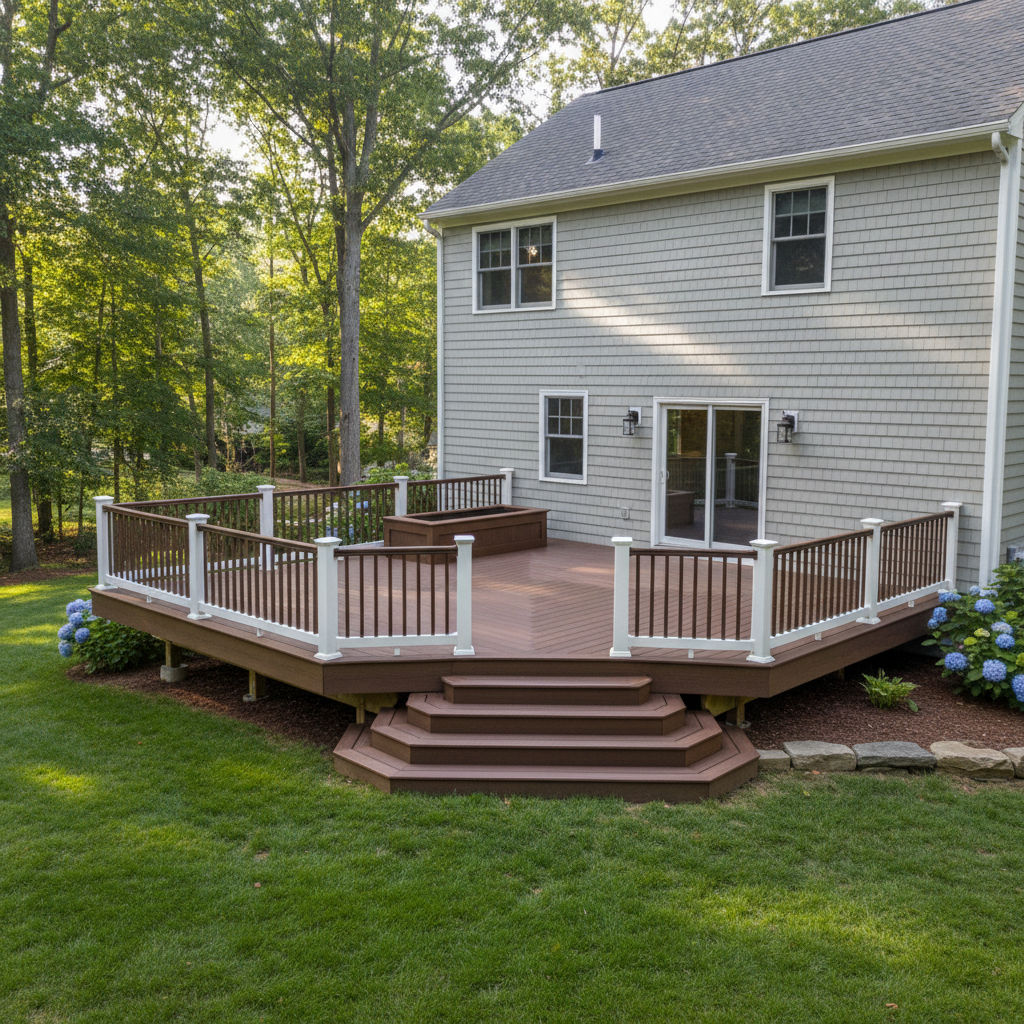
Thinking All Composite is Trex (It's Not)
Let's clear something up right away: not all composite decking is Trex. Trex is a brand, a really well-known one, but it's just one of many manufacturers out there making composite and PVC decking. It's like calling all tissues 'Kleenex.' When you're talking to a contractor, or even just doing your own research, be specific. Are you looking for Trex brand, or are you open to other high-quality composite or PVC options like TimberTech, Fiberon, or Azek? Each brand has its own strengths, weaknesses, color palettes, and price points. Some have different core materials, capstock technologies, or even different fastening systems. Assuming they're all the same is a big mistake that can limit your choices or lead you to a product that isn't quite right for your needs or budget.
Ignoring the Substructure
You're excited about those beautiful Trex boards, I get it. But what's underneath them? That's your substructure, and it's absolutely critical. I've seen folks focus so much on the surface material that they completely overlook the framing. For a Trex deck, or any composite for that matter, a solid, properly built substructure is even more important than with wood. Composite boards don't have the same structural rigidity as solid lumber, and they can sag or ripple if the joist spacing isn't correct or if the framing isn't perfectly level. We're talking about joist spacing that's typically 16 inches on center, sometimes even 12 inches for certain board profiles or patterns, not the 24 inches you might get away with on some wood decks. And don't forget proper flashing and protection for those wood joists, especially in a damp climate like ours here in Milford, where the salt air from the Sound can really accelerate corrosion if things aren't done right. A good substructure means your Trex deck will look great and last for decades, just like it's supposed to.
Underestimating the Importance of Proper Fastening
This is a big one. Trex and other composite boards expand and contract differently than wood, especially with our wild temperature swings here in Connecticut. If your contractor just screws them down like they would a traditional wood deck, you're going to have problems. We're talking about cupping, bowing, and unsightly screw pops. Most composite systems use hidden fasteners – clips that fit into grooves on the side of the boards, creating a clean, screw-free surface. There are different types of hidden fasteners, and some work better than others for specific applications or board types. Then there are specialized composite deck screws for face-fastening, which are designed to minimize mushrooming and color match the boards. A contractor who tries to cut corners here, or isn't familiar with the specific fastening requirements for the Trex product you've chosen, is a huge red flag. It's not just about aesthetics; it's about the long-term stability and performance of your deck.
Not Getting Specific on Warranty Coverage
Trex offers a great warranty, usually 25 years for residential applications, covering material defects, fading, and staining. That's fantastic peace of mind. But here's where homeowners sometimes trip up: they assume the contractor's labor is covered under that. It's not. The Trex warranty covers the product itself. Your contractor should provide their own labor warranty. At Ace Decks, we stand behind our work, and you should expect the same from anyone you hire. Make sure you get the details of both the material warranty and the labor warranty in writing. Ask about what specifically is covered, for how long, and what the process is if you have an issue. A contractor who's vague about their labor warranty might be someone to avoid.
Overlooking the Permit Process and Local Codes
I know, permits can be a pain, but they're there for a reason: to ensure your deck is safe and built to code. In Milford, like anywhere else, you'll need a building permit for a new deck or a significant deck renovation. This involves submitting plans, getting inspections, and making sure everything meets the town's requirements. Some homeowners try to skip this, thinking they can save a buck or two. Big mistake. Not only can you face fines, but if you ever go to sell your house, an unpermitted structure can cause major headaches during the inspection process. Plus, if something goes wrong and your deck wasn't permitted, your homeowner's insurance might not cover it. A reputable contractor will handle the permit process for you, or at least guide you through it. If a contractor suggests building without a permit, show them the door. It's not worth the risk.
Choosing a Contractor Based Solely on Price
Everyone wants a good deal, I get that. But when it comes to something as significant as a Trex deck, the cheapest bid is rarely the best value. I've seen it time and again: homeowners go with the lowest price, only to end up with a shoddy build, hidden costs, or a contractor who disappears halfway through the job. A quality Trex deck is an investment, and you want it done right. Look for a contractor with a proven track record, good reviews (check local sources, not just their website), and proper licensing and insurance. Ask for references and actually call them. Get detailed quotes that break down materials and labor. A slightly higher upfront cost for a skilled, experienced, and trustworthy contractor will save you a lot of headaches and money in the long run. You'll enjoy your beautiful, durable Trex deck for years to come, without any regrets.