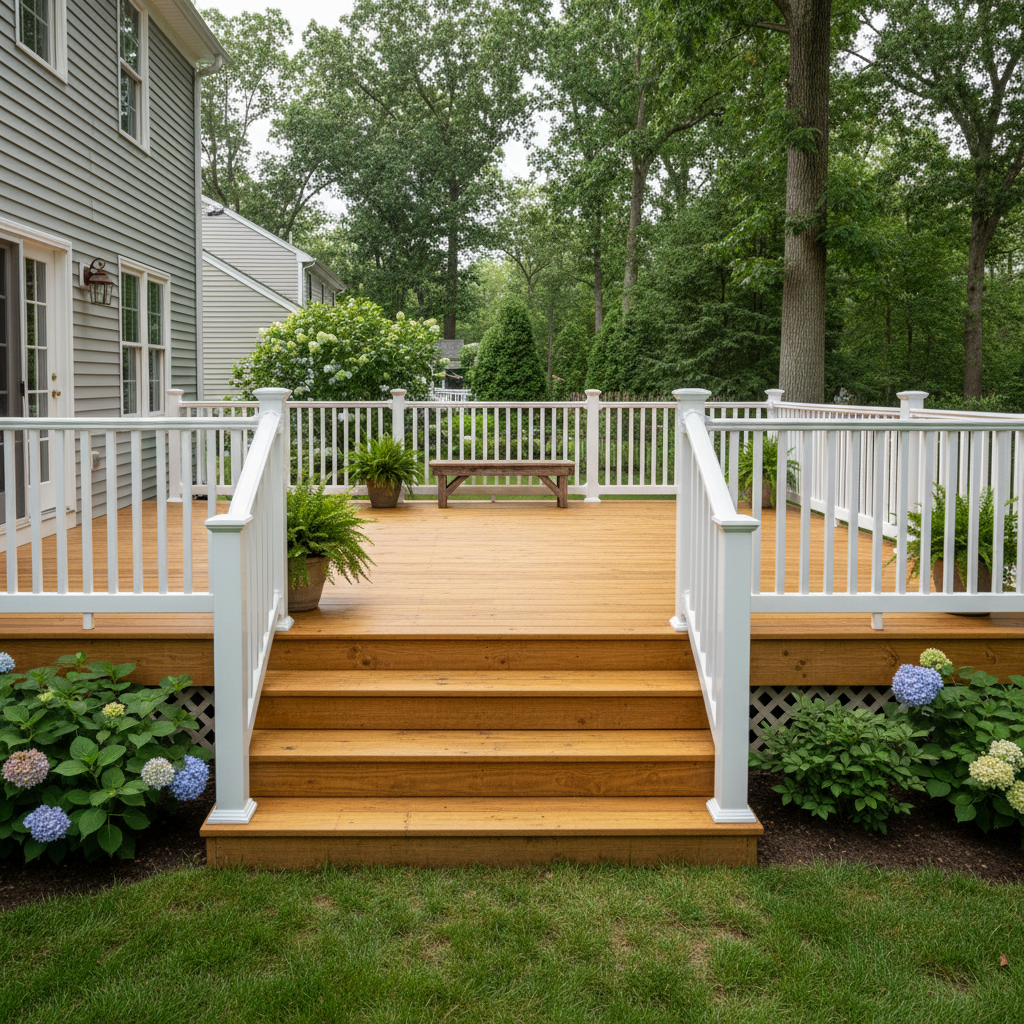
You want your wooden deck to last, right? Of course you do. Nobody builds a deck just to watch it fall apart in a few years. Especially not here in Milford, where our decks take a real beating from everything Mother Nature throws at us – from those humid summer days to the icy grip of winter. It's not just about looking good; it's about staying safe and getting the most out of your investment. I've been building and maintaining decks around here for a long time, and I can tell you, a little consistent effort goes a long way.
Making Your Deck Last Longer
The biggest thing you can do to extend your wooden deck's life is protect it from moisture and UV rays. Simple as that. Water is wood's worst enemy, and the sun just bakes and dries it out, leading to cracks and splinters. That's why a good sealant or stain isn't really optional. I recommend checking your deck every year to see if it's still shedding water. Pour a little water on it; if it beads up, you're probably good. If it soaks right in, it's time to reapply. Don't wait until the wood looks gray and tired. Being proactive here saves you a ton of headache and money down the road, believe me.
Proper drainage is another key thing. Make sure water isn't pooling under or around your deck. If your landscaping directs water towards the deck's posts or joists, you're asking for trouble. We see a lot of issues with this in older homes in the Walnut Beach area, where yards can be a bit flatter and drainage isn't always perfect. Keep those gutters clean, and make sure downspouts are pointing away from the deck structure.
Regular Upkeep: Your Annual Checklist
Think of this as your deck's yearly check-up. It doesn't take long, but it's super important.
- Clean it thoroughly: At least once a year, usually in the spring, give your deck a good scrub. Use a deck cleaner made for wood – not just bleach, which can actually damage the wood fibers. A pressure washer can be great, but use it carefully and at a lower setting. Too much pressure can gouge the wood and make it fuzzy.
- Inspect for damage: Walk every inch of that deck. Look for loose nails or screws, splintered boards, or any signs of rot. Pay close attention to the ledger board where the deck attaches to your house. That's a critical connection point. Check railings for wobbles and make sure all fasteners are tight.
- Trim back vegetation: Keep bushes and trees from growing directly against or over your deck. They trap moisture and can lead to mildew and rot. Good air circulation is your friend.
- Seal or stain as needed: As I mentioned, if water isn't beading, it's time for a fresh coat. This is your deck's sunscreen and rain jacket all in one, really.
Warning Signs You Can't Ignore
Some things go beyond routine maintenance. If you spot any of these, don't put off addressing them.
- Soft spots: If you step on a board and it feels spongy or gives way, that's a huge red flag for rot. Don't ignore it.
- Deep cracks or splinters: Small surface cracks are normal, but deep, long cracks can compromise the board's integrity. Large splinters are a safety hazard, obviously.
- Wobbly railings or posts: This is a major safety concern. Railings should be rock solid. If they move, something's wrong with the fasteners or the post itself.
- Mold or mildew that won't go away: While some surface mildew is common, if it's persistent and deep-seated, it could signal constant moisture issues leading to rot.
- Pest damage: Look for small holes, sawdust-like material (that's called frass), or tunnels in the wood. Termites and carpenter ants just love damp, rotting wood.
When to Call a Professional (Like Ace Decks)
Look, I'm all for DIY, but some jobs are just too big or too important to tackle yourself, especially when safety is involved. If you find significant rot, especially in structural components like joists, beams, or posts, that's definitely a job for a pro. If your deck feels unstable or you're unsure about the integrity of the ledger board connection, call us. We've got the experience to properly diagnose the problem and fix it right, ensuring your deck is safe and sound for years to come. Don't gamble with your family's safety. Sometimes, a small repair now can prevent a much larger, more expensive problem later, or even a total deck replacement. We're always happy to come out and give you an honest assessment.