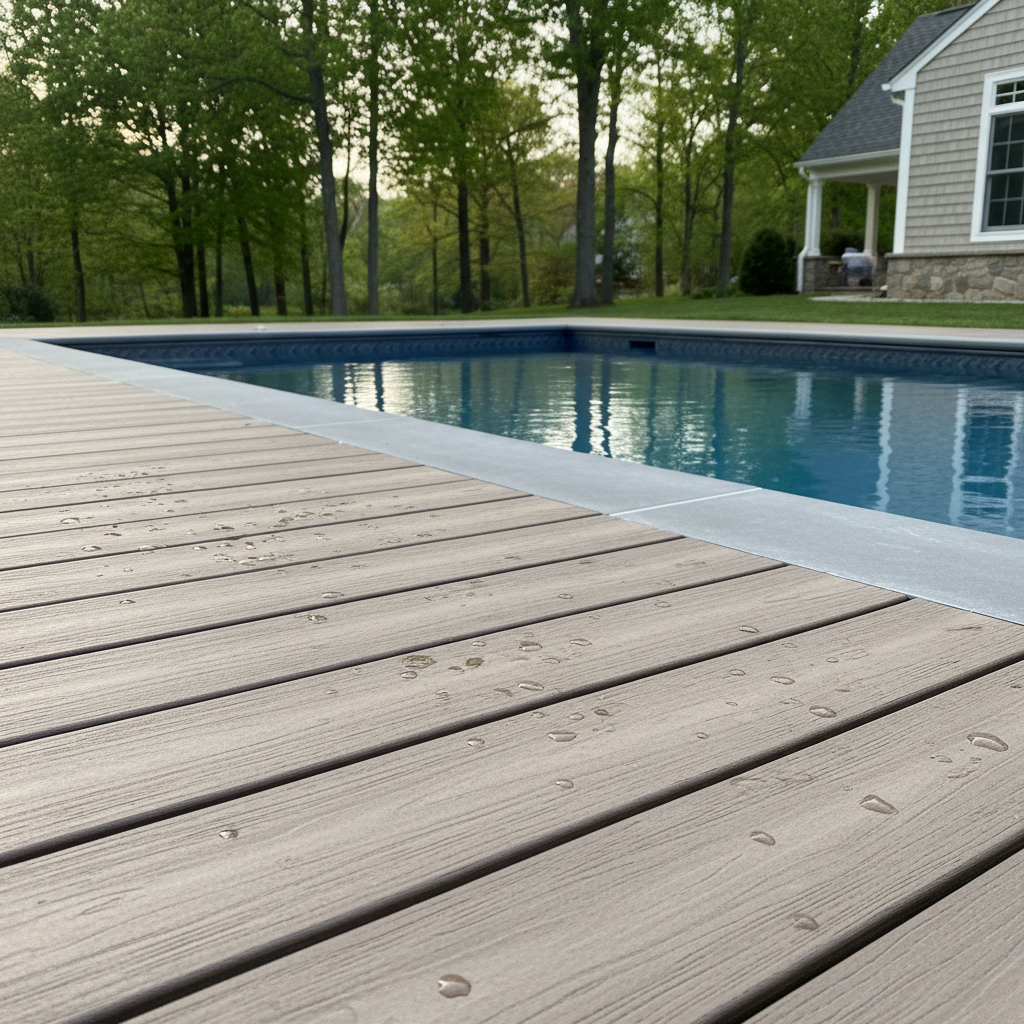
So, you've got a pool, or you're planning one, and now you're thinking about the deck around it. Good for you. A pool without a good deck is like a hot dog without the bun – it just ain't right. I've built my share of pool decks all over Milford, from the older homes down near Walnut Beach to the newer builds up by the Merritt. Homeowners always have a bunch of questions, and that's smart. You want to get it right. Here are the most common ones I hear, and what I tell folks.
What's the best material for a pool deck in Milford?
This is probably the number one question, and there's no single 'best' answer for everyone. It really depends on what you're looking for. For a lot of folks, composite decking is a strong contender. It's low maintenance, doesn't splinter, and it's got good slip resistance if you pick the right brand and finish. You won't be staining it every couple of years, which is a big plus when you're dealing with chlorine splashing around. Plus, some of the newer composites do a better job of staying cooler underfoot, which is huge on those scorching August days we get here in Connecticut.
Then there's natural wood. Pressure-treated pine is common because it's affordable, but it needs regular sealing to stand up to the pool chemicals and our humid summers. Cedar and redwood are beautiful, but they're softer and can be more prone to dings and scratches, which might not be ideal with kids running around. Ipe or other hardwoods are incredibly durable and look fantastic, but they come with a higher price tag and can get pretty hot in direct sun. They're also a bear to work with, but they'll last forever. For a pool deck, I usually steer people towards composite or a well-maintained pressure-treated deck if budget is a major concern. Just make sure whatever you choose, it's rated for ground contact and has good traction when wet.
How important is drainage around a pool deck?
Extremely important. You can't just slap a deck down next to a pool and call it a day. Water's going to splash out, rain's going to fall, and you need that water to go somewhere. If it just sits there, you're asking for trouble. We're talking about rot, mildew, erosion, and even structural issues with your deck or pool foundation over time. I've seen it happen. We always design pool decks with a slight slope away from the pool and the house. Sometimes we'll incorporate French drains or channel drains to collect the water and direct it away. This is especially critical in areas like Milford where we have a lot of clay soil in some neighborhoods, which doesn't drain well naturally. You want that water moving, not pooling up.
What about safety features for pool decks?
Safety is non-negotiable, especially if you have kids or pets. First off, slip resistance. That's why I mentioned it with materials. You want a surface that provides good grip even when wet. Beyond that, fencing is usually a requirement by law for pools, and your deck needs to integrate with it seamlessly. You don't want any gaps where a little one could squeeze through. Gates need to be self-closing and self-latching, opening outwards from the pool area. Railings around the deck itself are also key, especially if your deck is elevated at all. Make sure the baluster spacing meets code – typically no more than 4 inches, so a child can't slip through. Lighting is another big one. Good illumination around the deck and steps at night prevents trips and falls. Think about recessed LED lights or post cap lights.
Do I need a permit for a pool deck in Milford?
Almost certainly, yes. Any time you're building a new structure or significantly altering an existing one, especially around a pool, the City of Milford Building Department is going to want to know about it. This isn't just bureaucracy; it's about making sure everything is built to code and safe. They'll check things like setbacks from property lines, structural integrity, railing heights, and pool barrier requirements. Don't try to skip this step. It's not worth the headaches later on if you get caught or, worse, if something goes wrong. Ace Decks always handles the permitting process for our clients; it's part of doing the job right.
How do I keep my pool deck from getting too hot?
This is a real concern, especially with our hot Connecticut summers. Darker materials, whether wood or composite, will absorb more heat and can get uncomfortably hot to walk on barefoot. Lighter colors reflect more sunlight and stay cooler. If you're set on a darker aesthetic, consider materials specifically engineered to stay cooler, or plan for shaded areas. Pergolas, umbrellas, or even strategically planted trees can provide much-needed shade during the hottest parts of the day. Some folks even incorporate misters, but that's a whole other project.
What's the typical lifespan of a well-built pool deck?
A well-built pool deck, using quality materials and proper construction techniques, should last you a good long time. For pressure-treated wood, with regular maintenance (cleaning, sealing, staining), you're looking at 15-25 years. Composite decks generally have warranties ranging from 25 years to a lifetime, and they often hold up even longer with minimal fuss. Hardwoods like Ipe can easily last 40-50 years or more. But remember, 'well-built' is the key. That means proper footings, good framing, correct fastener use, and attention to drainage. Skimp on any of those, and you'll be replacing it sooner than you'd like, no matter the material.
Can I integrate other features into my pool deck?
Absolutely, and it's a great way to make your outdoor space more functional and enjoyable. I've built decks with built-in benches for seating, planters for a touch of greenery, and even integrated storage for pool toys or equipment. Outdoor kitchens or bar areas are popular additions, as are fire pits (though you need to be extra careful with placement and materials around a pool). Low-voltage lighting for ambiance and safety is almost a given. Some people even build in showers for rinsing off before or after a dip. The sky's the limit, really, as long as it's safe, within budget, and meets local codes.
Building a pool deck is a big investment, and it's one that should add value and enjoyment to your home for years. Don't rush the decisions, and don't be afraid to ask questions. That's what we're here for.