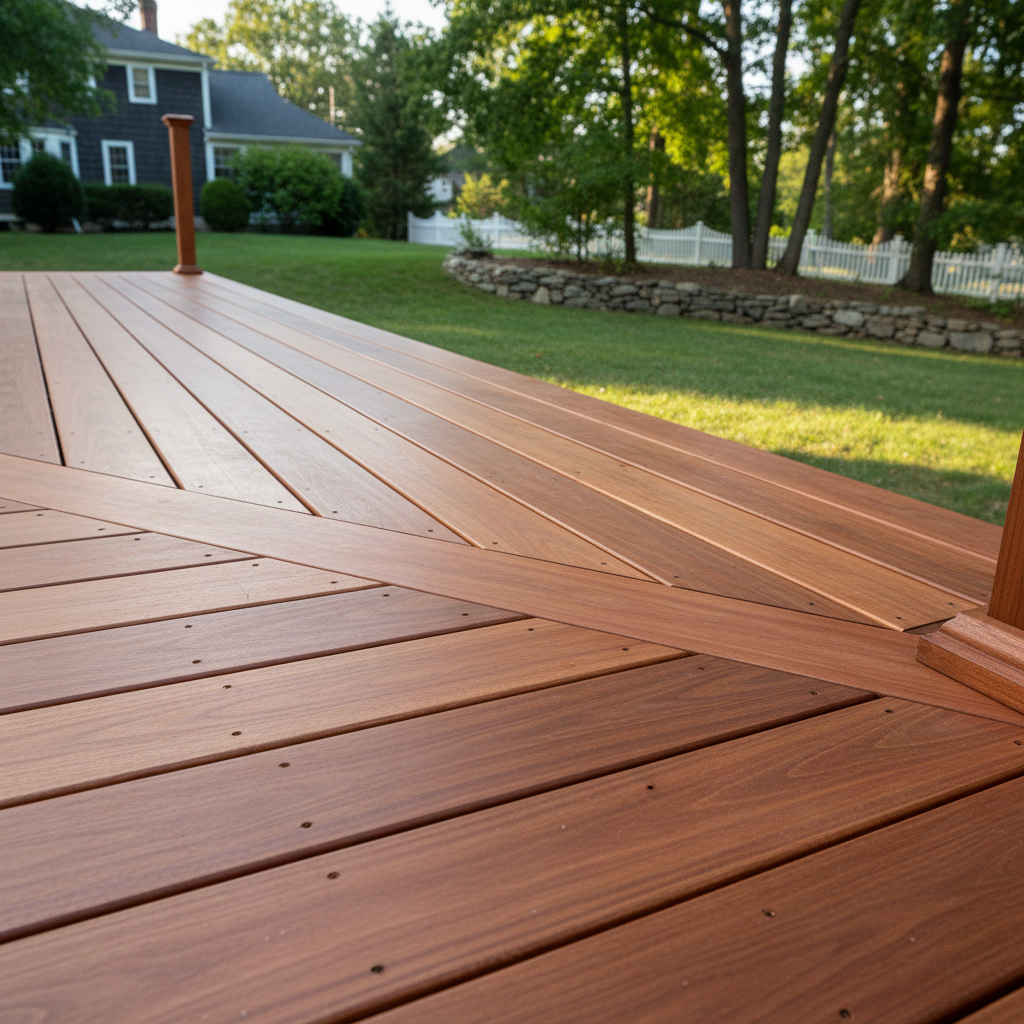
So, you're dreaming of a new deck, huh? Maybe you've got a vision for backyard BBQs or just a quiet spot to enjoy those Long Island Sound breezes. A wooden deck can be a fantastic addition to any Milford home, adding value and a whole lot of enjoyment. But before you grab a hammer, let's talk about what goes into it – what you can realistically do yourself, and where it really pays to bring in someone who builds decks for a living.
Before You Start: Planning & Permits
This is probably the most crucial stage, and honestly, it's where a lot of folks either get stuck or make mistakes that cost them later. First off, what kind of deck do you want? Pressure-treated pine is a classic for a reason – it's affordable, durable, and readily available. Cedar and redwood are gorgeous, naturally resistant to rot and insects, but they'll cost you more. Then there's composite, which isn't wood, but it's a popular alternative for low maintenance. For this post, we're sticking to wood.
You need a plan. A detailed one. This isn't just about how big it'll be, but how it attaches to your house, where the footings go, railing design, stairs – everything. If you're just replacing an old deck with the exact same footprint and structure, you might get away with using the old plans (if they're up to code). But for anything new or significantly different, you'll need to draw something up.
Permits. Don't even think about skipping this. The City of Milford Building Department is serious about safety, and for good reason. Decks need to be structurally sound. You'll need to submit plans, and they'll want to see things like footing depth (which, around here, means digging below the frost line, typically 42 inches in Connecticut), joist spacing, ledger board attachment, and railing height. This is one area where a pro can save you a huge headache. We know the codes, we know what the inspectors are looking for, and we can draw up plans that'll get approved without a fuss. If you're handy with CAD or drafting, you can try it yourself, but be prepared for potential revisions.
During Construction: DIY vs. Pro Skills
Okay, you've got your plans and your permit. Now for the fun part: building. Here's where the rubber meets the road on DIY.
- Demolition: If you're tearing down an old deck, this is definitely something most homeowners can handle. Just make sure you've got the right tools, safety gear, and a plan for debris disposal.
- Footings & Framing: This is the backbone of your deck. Getting the footings dug to the right depth, level, and square is absolutely critical. Then comes the framing – attaching the ledger board to your house (properly flashed!), setting the support posts, and building the joist system. This requires precision, good carpentry skills, and often, a second set of hands. If your framing isn't square and level, your deck boards will look terrible, and the whole structure could be compromised. This is where Ace Decks really shines. We've built countless decks, and we know how to make sure that foundation is rock solid.
- Decking & Railings: Laying the deck boards can be a satisfying DIY project, especially if you're using screws. You'll need to ensure consistent spacing, straight lines, and proper fastening. Railings are a bit more complex because they have to meet specific code requirements for height and baluster spacing (no more than 4 inches apart). If you're going for a simple design, you might manage, but intricate railing systems are best left to experienced builders.
- Stairs: Building safe, comfortable stairs is an art form. Getting the rise and run just right, ensuring they're sturdy and properly attached – it's not a beginner-level task. Don't skimp on stair safety.
My honest take? If you're comfortable with power tools, have some basic carpentry experience, and a good friend to help, you can probably handle the decking boards and maybe some simple railings. But for the structural stuff – the footings, the ledger, the main framing, and the stairs – that's where I'd strongly recommend bringing in a professional. One mistake in the framing can lead to a wobbly, unsafe deck down the line, and that's just not worth the risk.
After It's Built: Maintenance & Upkeep
A wooden deck, no matter how well built, needs love to last. This is 100% in your court, and it's not optional. Regular maintenance will drastically extend the life of your investment.
- Cleaning: Once or twice a year, give your deck a good scrub. A pressure washer can be great, but be careful not to use too high a setting, especially on softer woods like cedar, as it can damage the fibers. A good deck cleaner and a stiff brush often do the trick. Get rid of any mildew, dirt, or algae.
- Sealing/Staining: This is your deck's sunscreen and rain jacket. Depending on the product, you'll want to reapply a sealer or stain every 1-3 years. This protects the wood from UV damage, moisture, and rot. Don't skip this step! It's the single best thing you can do to keep your deck looking good and lasting long.
- Inspections: Periodically, walk around your deck and give it a thorough once-over. Look for loose boards, wobbly railings, popped nails or screws, and any signs of rot, especially where wood meets concrete or soil, or where the deck attaches to your house. Catching small issues early can prevent them from becoming big, expensive problems. This is especially true in areas like the Devon neighborhood, where older homes sometimes have decks that weren't built to today's rigorous standards.
- Minor Repairs: Replacing a single warped board or tightening a loose railing post is usually something you can handle. If you see significant rot, structural issues, or widespread damage, that's when you call us.
Building a deck is a big project, and it's exciting. Just be realistic about your skills and don't be afraid to ask for help on the parts that are beyond your comfort zone. A well-built, well-maintained deck will give you years of enjoyment, and that's what it's all about.