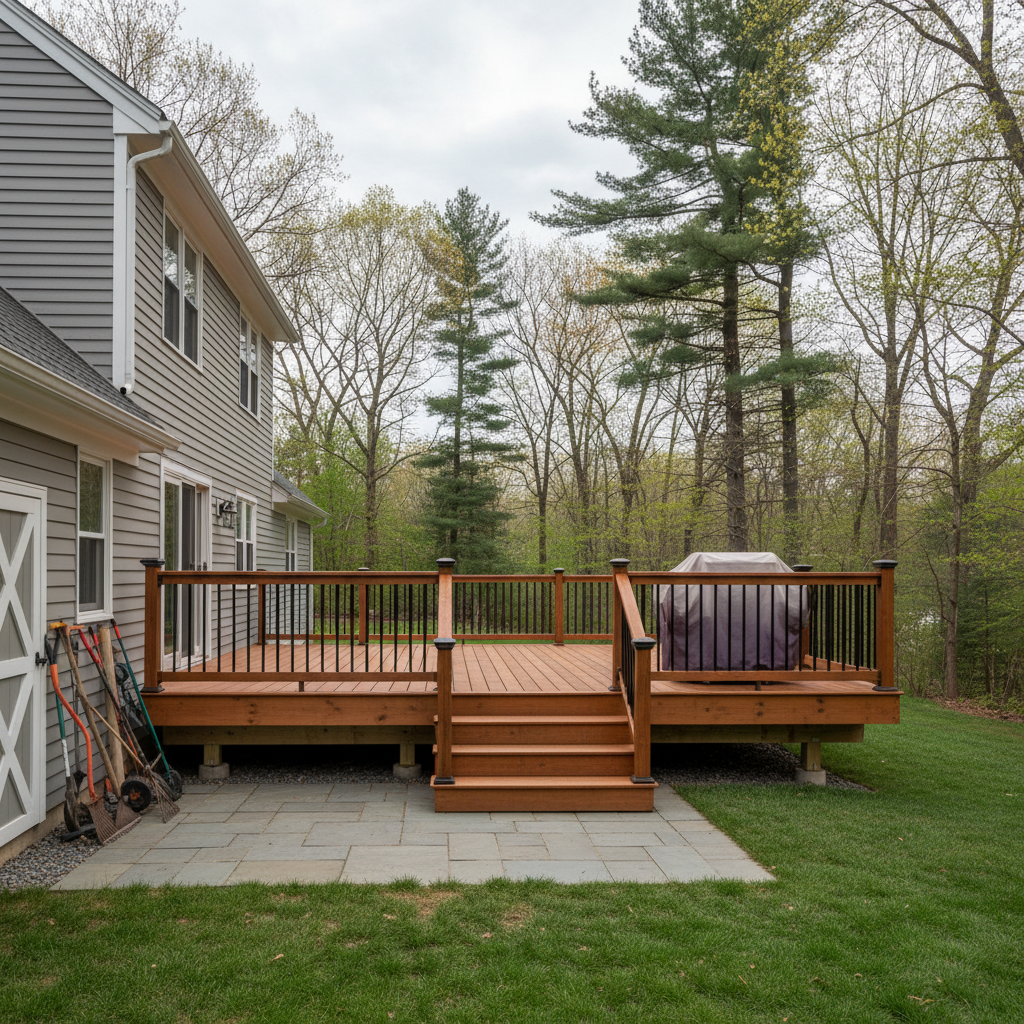
When's the best time to build a deck around here? That's a question I hear a lot from folks in Milford, especially with our crazy New England weather. It's not just about when *you* want it, you know? It's really about when the conditions are just right for a quality build that'll actually last.
Understanding Milford's Seasons for Deck Construction
Our climate isn't exactly a secret, is it? We get all four seasons, and each one brings its own set of headaches and opportunities for deck building. You've got to think about more than just the temperature; humidity, ground conditions, and even where the sun hits can really impact the work.
Spring: The Rush & The Rain
Everyone wants their deck ready for summer, so spring usually turns into a mad dash. It's a popular time to start, and for good reason. The ground's thawed out, temperatures are mild, and the days are getting longer. But, spring also brings a lot of rain. Heavy, consistent downpours can turn a job site into a muddy mess, making it tough to dig footings, move materials around, or even pour concrete properly. We've seen projects in places like Walnut Beach get delayed because the ground just wouldn't dry out. If you're building with wood, constant rain can also mean the lumber gets soaked, which isn't great for stability later on. It's manageable, sure, but you need a builder who knows how to work *with* it, not against it.
Summer: Heat, Humidity, and High Demand
Summer means long, sunny days – perfect for being outside, right? For building, it's a mixed bag. The good news is dry weather usually means stable ground and consistent conditions for materials. The bad news? Intense heat and humidity. Working in direct sun all day is brutal, for one thing. For another, extreme heat can affect things like how composite deck boards expand and contract, or how long concrete takes to cure. If you're painting or staining, high humidity can mess with drying times and the quality of the finish. Scheduling in summer often means you're competing with everyone else for crew availability, so if you're aiming for a summer build, plan way ahead. Ace Decks gets booked up fast for these months.
Fall: My Personal Favorite
Honestly, if I had to pick a favorite season for deck construction, it'd be fall. The temperatures are usually perfect – cool but not freezing. The humidity drops, which is great for materials and finishes. The ground is typically dry and firm from the summer, making footing excavation a breeze. Plus, the summer rush starts to die down a bit, so you might find more flexibility in scheduling. You still get plenty of daylight, and you can often get the deck done before the real cold sets in, letting it settle over winter. It's a sweet spot, truly.
Winter: The Tough One
Building a deck in winter in Milford? It's definitely possible, but it comes with challenges. Freezing temperatures mean frozen ground, which makes digging footings a nightmare. We're talking jackhammers or specialized equipment just to break through. Concrete pours need special additives and protection to cure correctly. Snow and ice obviously halt work. Materials like wood can become brittle in extreme cold. That said, if you're really set on a winter build, or if you're doing a smaller repair, it can sometimes work out. You might even find better pricing or quicker turnaround since most people aren't thinking about decks then. Just be prepared for potential delays due to weather and higher costs for specialized winter work.
Protecting Your Investment Year-Round
Once your deck is built, the battle isn't over. Our coastal Connecticut climate, with its salt air and freeze-thaw cycles, is tough on outdoor structures. Here's what you need to keep in mind:
- Drainage is Key: Make sure water drains away from your deck and house foundation. Poor drainage leads to rot and structural issues, especially with our heavy spring rains.
- Regular Cleaning: Don't let leaves, dirt, and mildew sit on your deck. They trap moisture and encourage growth that can damage surfaces. A good wash down a couple of times a year, especially after pollen season and before winter, goes a long way.
- Sealing/Staining (for wood): If you've got a wood deck, this isn't optional. Our winters are brutal, and the summer sun bakes everything. A quality sealer or stain protects against moisture, UV damage, and rot. Do it every few years, or as recommended by the product.
- Check for Fastener Issues: After a few freeze-thaw cycles, sometimes fasteners can loosen or pop up. Give your deck a once-over annually and address any loose screws or nails.
- Snow Removal: While your deck is built to hold weight, don't let heavy, wet snow pile up year after year. Shovel it off, but be careful not to damage the deck surface with your shovel.
- Inspect Annually: Just walk around your deck once a year. Look for soft spots, splintering, loose railings, or anything that looks off. Catching small problems early saves you big headaches and money down the road.
Building a deck is a big investment, and here at Ace Decks, we want to make sure it's one that pays off for years to come. Thinking about the local weather and planning your project smartly from the start is half the battle. If you've got questions about timing your project or what materials hold up best in our Milford climate, give us a call. We're always happy to talk decks.