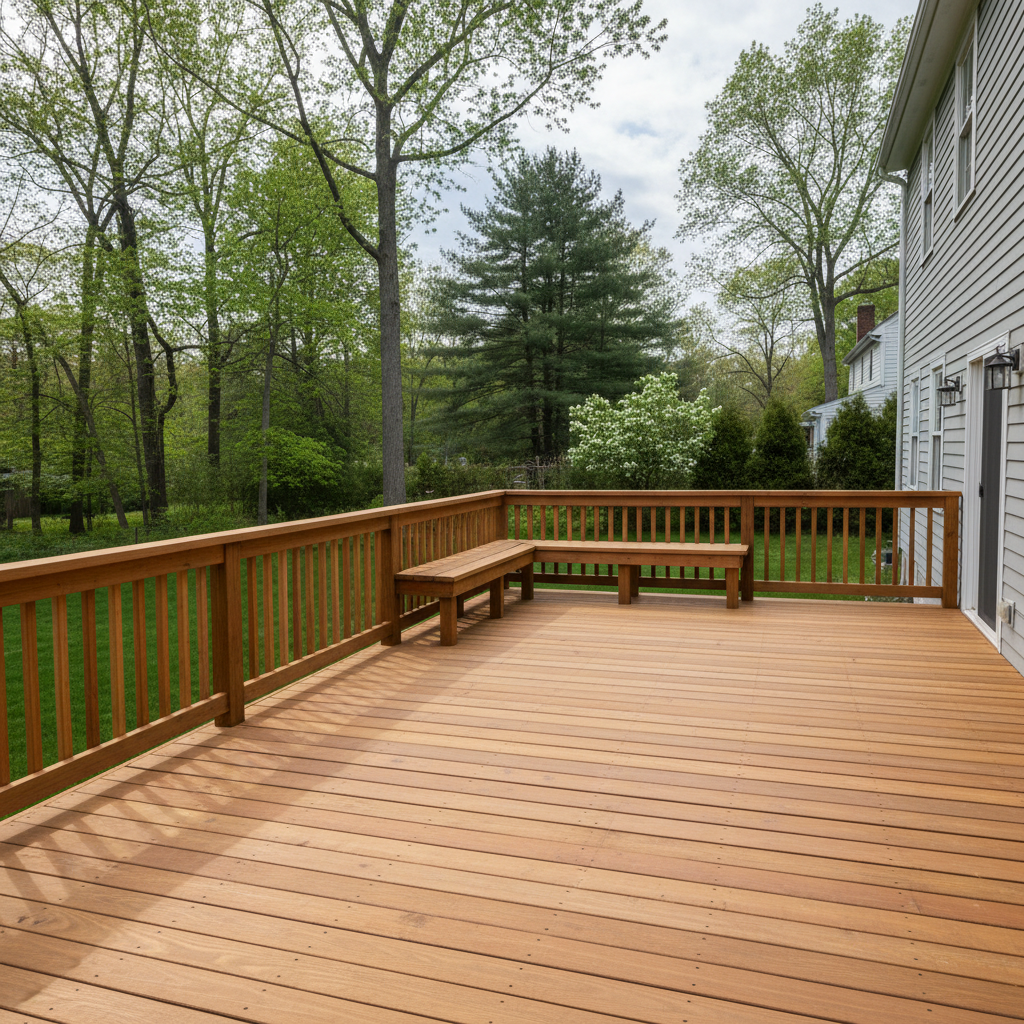
You want your wooden deck to last, right? Of course you do. We build 'em strong at Ace Decks, but even the best-built deck needs a little looking after, especially here in Milford with our wild weather swings. It's not just about aesthetics; it's about safety and protecting your investment. Think of it like owning a boat on Long Island Sound – you wouldn't just leave it out there without maintenance, would you? Your deck is no different.
Regular Maintenance: Your Deck's Best Friend
Let's talk about what you should be doing year-round. It's not rocket science, but consistency is key.
- Clean it regularly: This is probably the easiest thing you can do. Sweep off leaves, dirt, and debris weekly, or at least monthly. Don't let wet leaves sit on the deck for long periods; they hold moisture and can lead to mold, mildew, and rot. A good scrub with a deck cleaner (follow the manufacturer's instructions!) and a soft brush once a year, usually in the spring, is a must. Pressure washing can be tricky – too much pressure and you'll damage the wood fibers, leaving it fuzzy and vulnerable. If you're not confident, hire a pro who knows how to use it properly.
- Check fasteners: Screws and nails can work their way loose over time due to expansion and contraction from temperature changes. Walk around your deck and give everything a visual inspection. If you see a nail popping up, hammer it back down. If a screw is loose, tighten it. Replace any stripped or rusted fasteners. This prevents tripping hazards and keeps your deck boards securely attached.
- Keep it sealed or stained: This is probably the most critical step for protecting your wood from our Connecticut climate. The sun's UV rays break down wood fibers, and rain, snow, and ice cause rot and warping. A good quality stain or sealer acts like sunscreen and a raincoat for your deck. Most sealers need reapplication every 1-3 years, depending on the product and how much sun exposure your deck gets. You'll know it's time when water no longer beads up on the surface but soaks into the wood. Don't skip this. It's the best defense against rot, especially in areas like the Devon neighborhood where decks might get less direct sun and stay damp longer.
- Trim back foliage: Make sure trees, shrubs, and bushes aren't growing directly onto or over your deck. They can scratch the surface, drop leaves and debris, and block sunlight, keeping the deck damp and encouraging mold and mildew growth. Good airflow is essential for a healthy deck.
Warning Signs of Trouble: Don't Ignore These
Your deck will usually tell you when something's wrong, if you know what to look for. Catching these early can save you a lot of headache and money down the line.
- Soft spots or spongy wood: Walk across your deck. If any areas feel soft or spongy underfoot, that's a huge red flag for rot. Use a screwdriver to gently probe suspicious areas. If it sinks in easily, you've got rot, and that means structural integrity is compromised.
- Cracked or splintered boards: Small cracks are normal as wood ages, but large, deep cracks or widespread splintering can indicate the wood is drying out too much or isn't properly sealed. Splinters are also a safety hazard.
- Loose railings or wobbly posts: Grab your railings and give them a good shake. If they feel loose or wobbly, that's a serious safety concern. Railings are there to prevent falls, and if they're not secure, they're useless. Check the posts where they connect to the deck frame.
- Mold, mildew, or algae: A little green film isn't always a disaster, but it indicates moisture retention and can make the deck slippery. If it's widespread or black, it's a sign that your deck isn't drying out properly and could be a precursor to rot.
- Rusting fasteners or hardware: If you see rust around screws, nails, or on metal connectors, it means moisture is getting in, and the integrity of those connections might be compromised.
- Sagging or uneven deck surface: If your deck isn't level anymore, or you see noticeable dips or sags, that's a sign of structural issues with the joists, beams, or posts. This is definitely not something to ignore.
When to Call a Professional
Look, I'm all for DIY when it makes sense, but some things are best left to the pros. Your deck's structural integrity and your family's safety aren't areas to cut corners.
- Extensive rot or insect damage: If you find widespread rot, especially in support beams, joists, or posts, don't try to patch it yourself. This requires expertise to properly assess and repair to ensure the deck is safe. Termites or carpenter ants can also do serious damage that needs professional intervention.
- Structural issues: Any sagging, major wobbles, or significant movement in the deck frame, posts, or ledger board (where the deck attaches to your house) means you need an expert. These aren't cosmetic fixes; they're safety hazards.
- Major repairs or replacement: If more than 25% of your deck boards are rotted, or if the substructure is compromised, it might be more cost-effective and safer in the long run to have a professional handle a major repair or even a partial rebuild.
- You're unsure or uncomfortable: If you're not confident in your ability to diagnose a problem or perform a repair safely and correctly, just call us. It's better to be safe than sorry. We've seen it all, and we can give you an honest assessment and a plan to get your deck back in top shape.
Your deck is an extension of your home, and with a little consistent effort, it'll provide a safe and enjoyable space for years to come. Don't let our harsh New England winters and humid summers get the best of it. A well-maintained deck not only looks better but also adds value to your Milford home.